Spoiler alert: This review contains a few spoilers that may help you better understand the film.
In short, The Odyssey is about one man and his journey home through Poseidon’s unforgiving seas, while the Shades of his past continue to haunt him.
Stereotypically, Christopher Nolan’s films are infamous for being difficult to decipher. In the case of The Odyssey, however, all the answers are already there. In fact, they have been there for millennia. Here’s the guide you didn’t know you needed before watching The Odyssey.
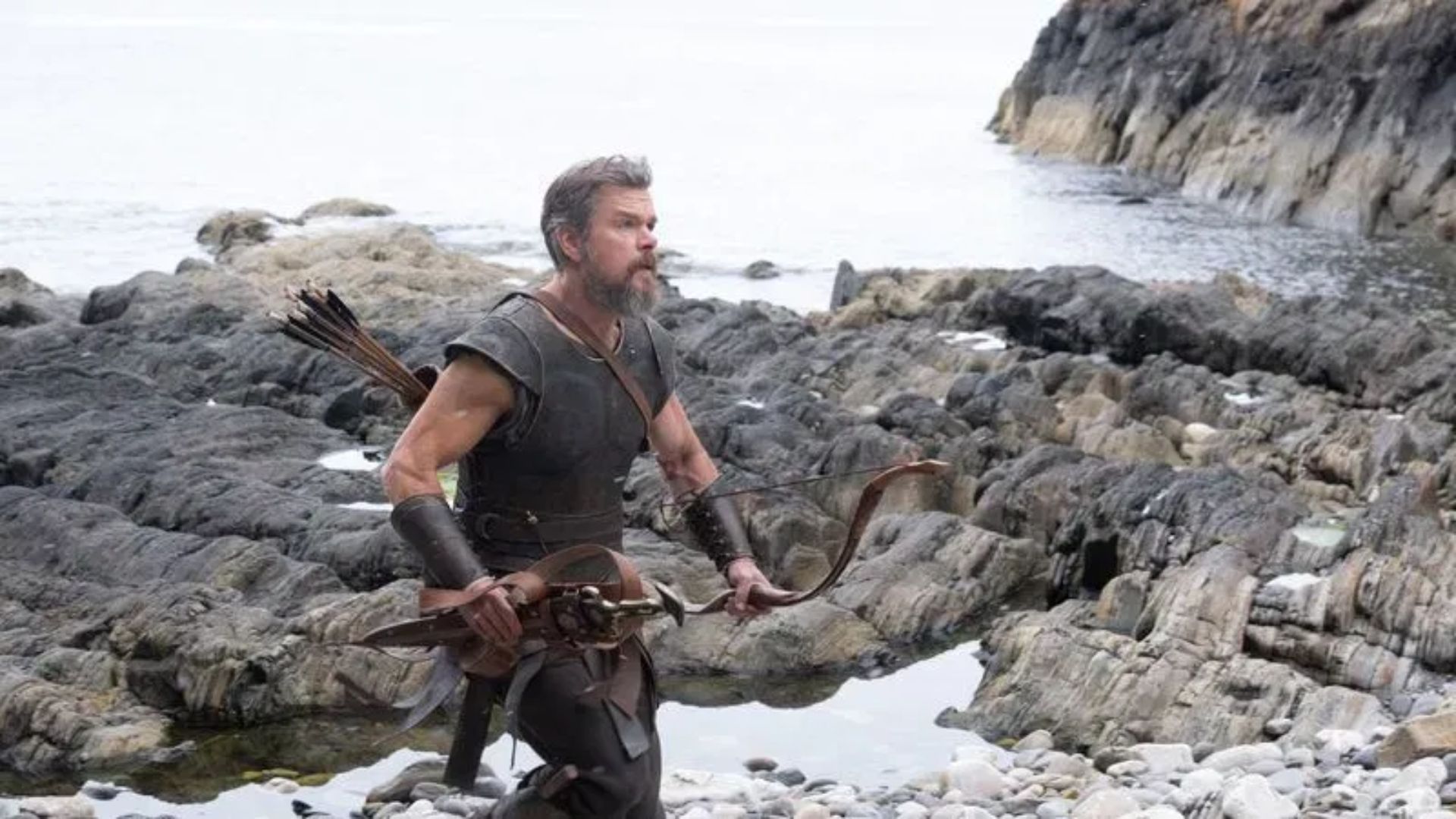
A classic example of a person-versus-self conflict, Nolan’s film begins in medias res, meaning “in the midst of things.” Our protagonist, Odysseus, is stranded on the island of Ogygia as he struggles to remember everything he has endured and, most importantly, who he endured it all for.
The film itself is an odyssey of literature. Although the Greek alphabet appeared in the eighth century BCE, The Odyssey may have existed long before it, with exactly when and by whom it was created remaining unknown. However, it is proclaimed to be written by famous greecian poet Homer.
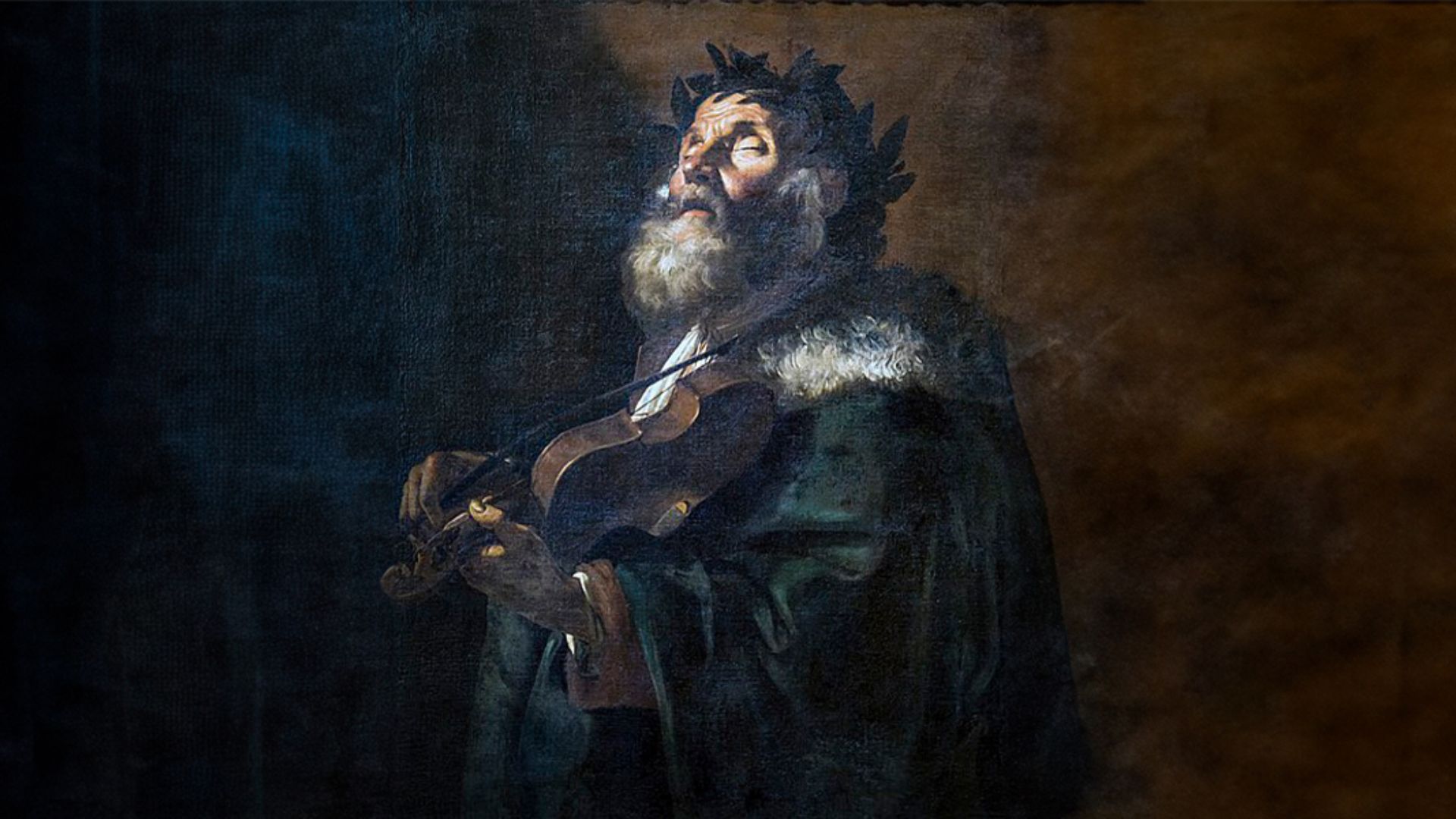
Orignally Meant to be sung, and you find out exactly why in the film, the poem has been written, rewritten and translated over centuries, before finally being written for the screen by Christopher Nolan.
To recap, the Trojan War was led by Agamemnon to avenge the abduction of Helen, the wife of his brother, Menelaus. The war brought more than a thousand ships to Troy, including those carrying the men of Ithaca, led by their king, Odysseus.
After ten years of fighting to no avail on the dusty plains outside Troy’s impenetrable Scaean Gates, Odysseus devises the treacherous plan of the Trojan Horse and plants his loyal soldier Sinon seemingly abandoned on those same plains to help complete it.
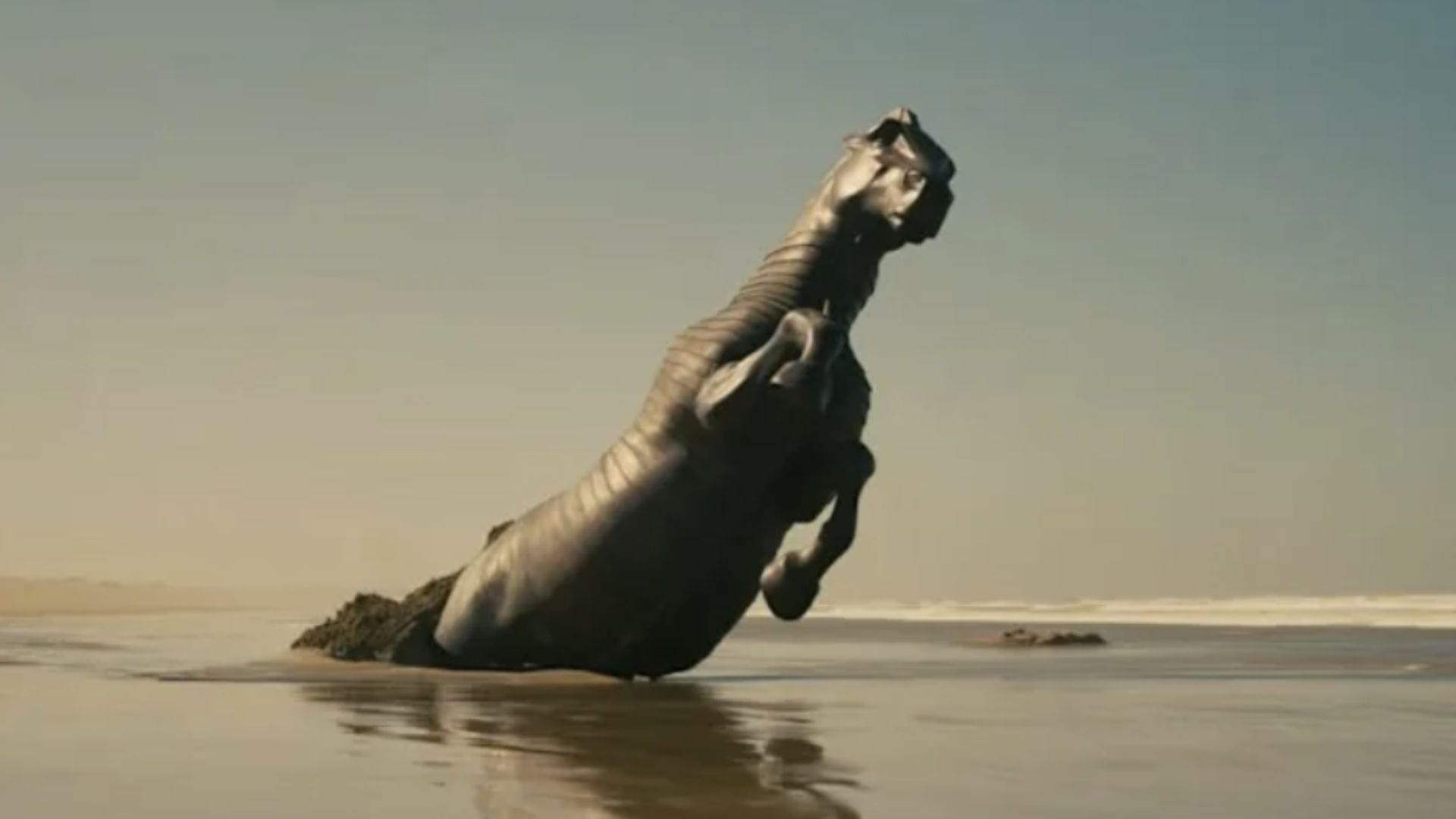
This is all important because the original text is a sequel to another one of Homer’s poems, The Iliad, which depicts the story of the Trojan War. This is exactly where the film begins: in the midst of the Greeks’ plot to infiltrate the kingdom of Troy.
But what about Odysseus and his men? Will they be able to return home to their families in Ithaca after the war is over?
Here is a breakdown of every character in The Odyssey and their main purpose, without giving too much away:
Greek Royalty
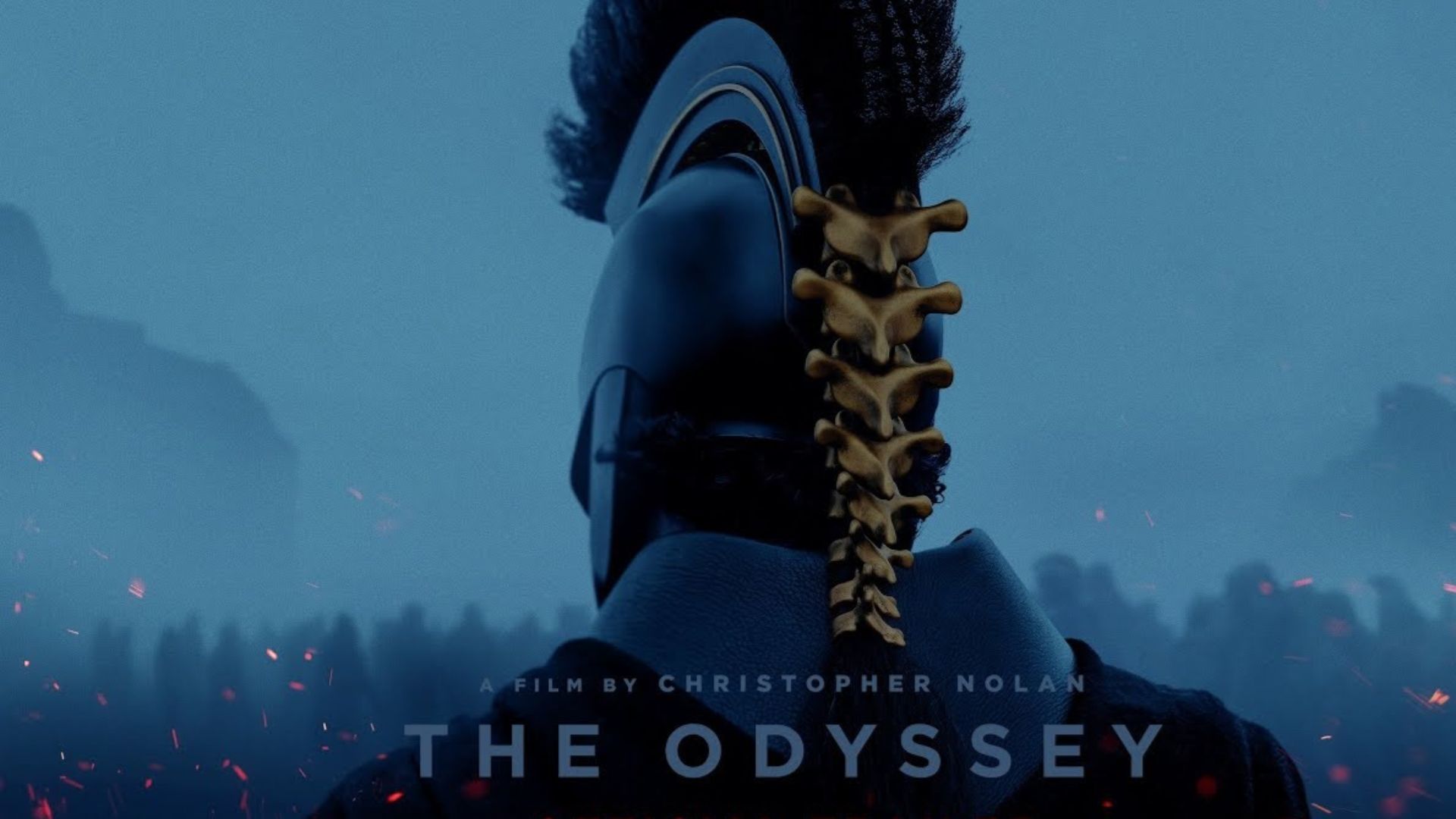
- Agamemnon: King of Mycenae, commander of the Greek forces and the character seen on the film’s poster.
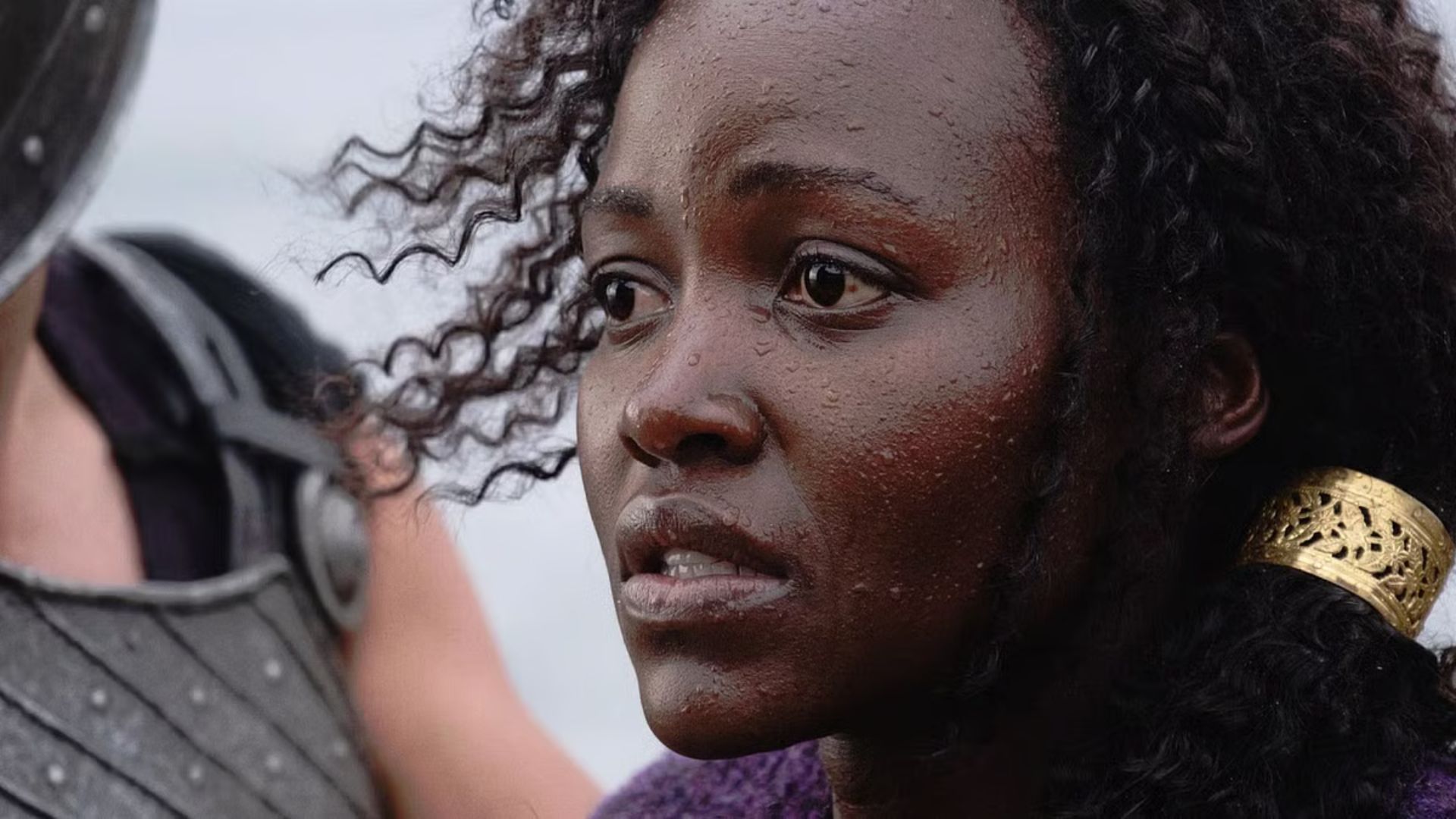
- Helen: Wife of Menelaus, played by Lupita Nyong’o.
- Menelaus: King of Sparta and brother of Agamemnon, played by Jon Bernthal.
- Clytemnestra: Sister of Helen and wife of Agamemnon, also played by Lupita Nyong’o.
- Iphigenia: Daughter of Agamemnon and Clytemnestra, sacrificed by Agamemnon to appease the goddess Artemis after offending her.
In Ithaca
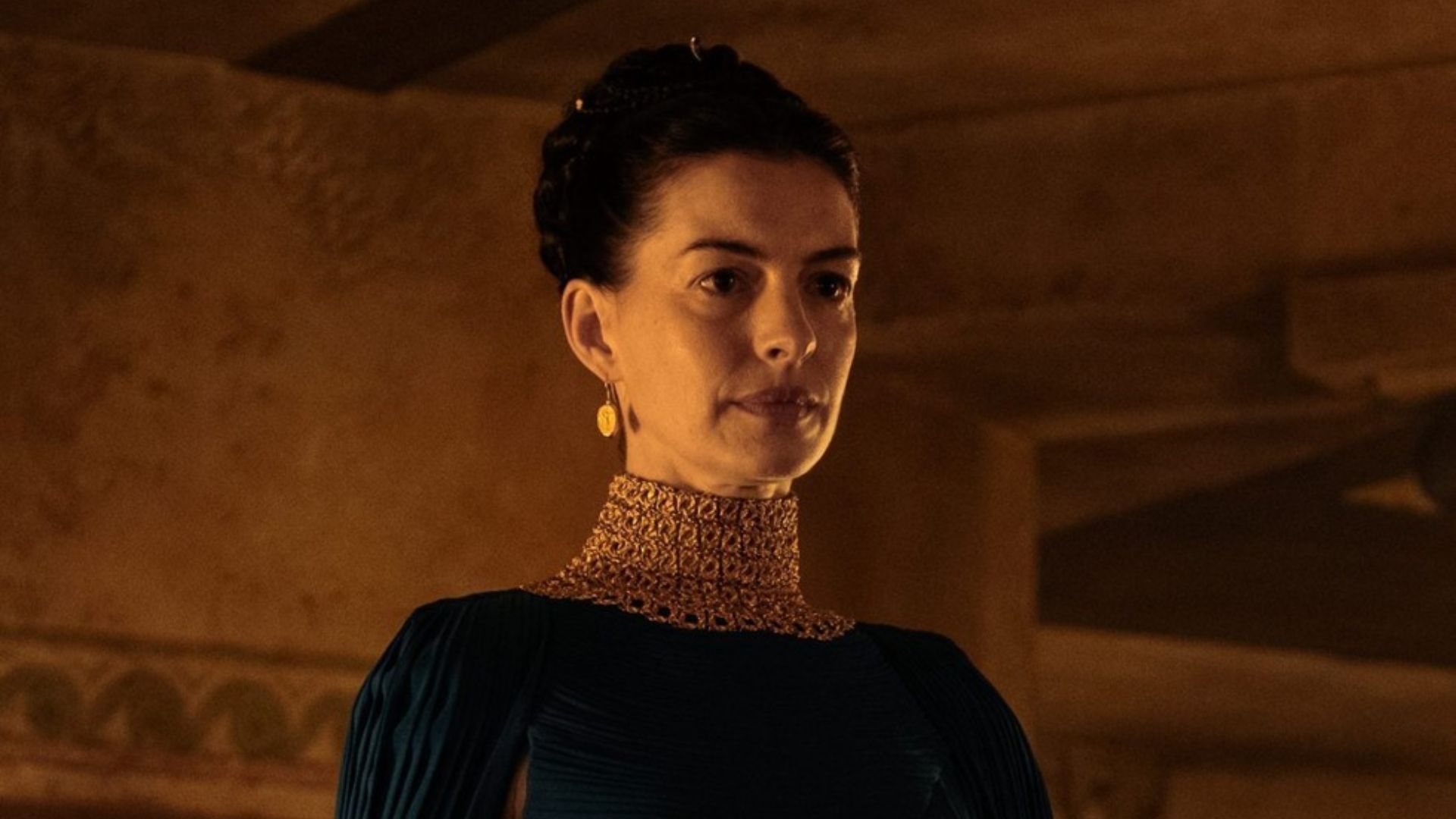
- Penelope: Queen of Ithaca, wife of Odysseus and mother of Telemachus.
- Telemachus: Son of Odysseus and Penelope, and heir to the throne of Ithaca.
- Eumaeus: A loyal servant of Odysseus, his best friend, a mentor to Telemachus and visually impaired.
- Antinous: Sinon’s brother, who remained in Ithaca and attempts to marry Queen Penelope and seize the throne. He is played by Robert Pattinson.
- Sinon: A loyal soldier of Odysseus and brother of Antinous.
On the Journey
- Odysseus: The protagonist, king of Ithaca, played by Matt Damon.
- Eurylochus: Odysseus’s second-in-command, played by Himesh Patel.
- Hades: God of the Underworld.
- Poseidon: God of the sea and father of Polyphemus.
- Zeus: King of the gods and god of the sky. Zeus’s law states that people must welcome every guest with great hospitality because a stranger could be a god in disguise.
- Polyphemus: A man-eating Cyclops and son of Poseidon.
- Calypso: A nymph, played by Charlize Theron.
- The Trojan Priestess: A form taken by the goddess Athena as she guides Odysseus on his journey home.
- Tiresias: A prophetic poet from the underworld.
Filmed over 91 days across six countries and regions—including Morocco, Greece, Italy, Iceland, Scotland, and Western Sahara—The Odyssey was captured on approximately 2.1 million feet, or 640 kilometres, of film.
Following the edit, this extraordinary volume was reduced to just 18 kilometres of 70 mm film. Together with its casing, the final print weighs an astonishing 846 pounds and was shipped to a select number of IMAX theatres worldwide. The Odyssey is truly a cinematic experience worth watching and definitely also worth understanding.
By Shagun Chhotwani